
Discovering East Cambs Before the Crowds
There’s something magical about getting outdoors in East Cambridgeshire just as winter loosens its grip. February and early March bring a particular kind of calm to the district, when the landscape starts waking up but the busier months haven’t quite arrived. It’s the perfect time if you prefer your walks without the crowds and your gardens with a bit of breathing space.
The weather might still be unpredictable, but that’s part of the charm. You’ll need a decent coat and sturdy shoes, but the rewards are worth it. Early bulbs are pushing through, birds are getting vocal again, and there’s a freshness in the air that makes you want to be outdoors. Plus, with fewer visitors around, you’ll often have paths and green spaces largely to yourself.
Why Visit in Early Spring?
If you’ve ever visited popular countryside spots on a sunny weekend and found yourself queuing for parking, you’ll immediately understand the appeal. The district looks beautiful and there’s something honest about bare trees and emerging growth that feels more real than peak season perfection.
The light is different too. Clear February days bring that crisp, golden quality photographers love, while March offers rapidly lengthening evenings. You’ll notice details you might miss when everything’s in full bloom: the structure of old trees, the patterns in ploughed fields, the way buildings sit in the landscape.
For those who live locally, it’s a chance to rediscover familiar places in a different season. For visitors, it’s an opportunity to experience the countryside at its most peaceful. And practically speaking? Accommodation can be easier to find, cafés have space for walk-ins, and you can plan spontaneously..
Countryside Walks Without the Crowds
East Cambridgeshire isn’t about ticking off famous trails. It’s more about pulling on your boots, stepping out, and seeing where the mood takes you. The countryside here is gentle rather than dramatic, which makes it perfect for this kind of exploration.
East Cambridgeshire Walking Routes
Riverside Routes
The River Great Ouse and its tributaries define much of East Cambridgeshire’s walking landscape. The Ely Riverside Walk follows the Great Ouse north from the city through Jubilee Gardens, past the rowing club and under the railway bridge to reach water meadows and reedbeds at Roswell Pits Nature Reserve. This relatively flat 5-6 mile circular route returns via Springhead Lane (also known as Lovers Lane), a tree-lined avenue that’s excellent for birdwatching.
For a longer adventure, sections of the Fen Rivers Way run through the district, including the beautiful 18-mile stretch from Cambridge to Ely that passes through Milton Country Park, Waterbeach, and Little Thetford. February and March offer the advantage of quiet paths and excellent visibility for spotting early nesting activity among the reeds, particularly at locations like Cuckoo Bridge where willow-lined banks create perfect wildlife habitat.
The route from Ely to Littleport along the Great Ouse offers another option, with several stretches accessible from villages like Prickwillow. The Olde Ship Inn or The Anchor Inn in Sutton Gault provide welcoming pub stops for circular walks.
Fen Landscapes and Open Skies
Wicken Fen National Nature Reserve, three miles west of Soham, showcases the distinctive fenland character at its finest. The reserve’s Adventurers’ Trail (approximately 3 miles) explores newly restored wetland habitat, wet grasslands, and reedbeds where skylarks are frequently heard and spotted, particularly across the open areas of Baker’s Fen and Guinea Hall Fen. The Mere Walk offers views across open water where the huge Cambridgeshire skies meet the horizontal landscape.
At Wicken, the raised banks along Burwell Lode and Wicken Lode provide elevated walking with expansive views across the fens. In February, before vegetation grows tall, you can appreciate the engineered landscape of drainage channels and the remarkable flatness that characterises this part of England. Skylarks perform their characteristic song-flights above the wet grasslands throughout winter and early spring, with populations here having increased significantly thanks to wetland restoration.
The wider Wicken Fen Vision area around Adventurers’ Fen offers miles of accessible walking where Highland cattle and Konik ponies graze, and marsh harriers can often be spotted hunting above the reedbeds. The going is generally easy on well-maintained grass paths, though conditions can be muddy after rain.
Woodland Paths
While East Cambridgeshire’s landscape is predominantly open, Springhead Lane in Ely provides a beautiful tree-lined avenue where mature deciduous trees create a woodland feel. This ancient path supports diverse birdlife and in early spring offers the chance to spot the first crocuses and snowdrops before the canopy fills in.
Ely Country Park includes established trees and more sheltered walking where early spring brings the first signs of growth. The park’s paths connect to the wider riverside network and offer quieter spots for patient wildlife watchers.
At Wicken Fen, the Woodland Walk and Summer Nature Trail (though the latter opens in June) wind through areas where scrub and established trees provide habitat for different species. The Boardwalk Trail passes the historic 1908 wind pump through areas where pollarded willows line the waterways, creating a semi-wooded feel even in this fenland setting.
Village-to-Village Routes
The network of footpaths and quiet lanes connecting East Cambridgeshire’s villages rewards explorers. While specific waymarked village-to-village routes vary, local footpath networks link settlements like Wicken to Soham (approximately 3 miles), Ely to Little Thetford (2.5 miles along the river), and paths between Reach, Burwell, and Wicken that follow ancient lodes and field boundaries.
These routes pass through working farmland where you’ll walk alongside the distinctive straight drainage channels that have shaped the landscape since medieval times. The villages themselves offer refreshment stops and a genuine sense of community rather than tourist honeypots. You’ll find everything from the thatched cottages of Wicken to the market town character of Soham.
The Harcamlow Way touches the edge of the district near Bottisham, while National Cycle Route 11 (also suitable for walking) provides another option for linking locations across the area. Path conditions vary, with some routes excellent year-round and others best avoided in wet weather without proper boots.
Early Spring Gardens in East Cambridgeshire
For garden enthusiasts, early spring in East Cambridgeshire offers something special. Gardens and green spaces are open but peaceful, allowing you to appreciate plantings without negotiating crowds or waiting for photo opportunities.
Anglesey Abbey Gardens
Anglesey Abbey Gardens (near Lode, 6 miles from Ely) truly comes into its own in February and March with its renowned Winter Garden, designed to provide year-round interest. The Snowdrop Collection is particularly spectacular during February, with specialist tours running throughout the month showcasing over 100 varieties across the 114-acre estate.
The garden’s structure becomes more visible before the full flush of spring, allowing you to appreciate the bones of the landscape design alongside early bulbs, hellebores, and flowering shrubs.
Discover snowdrop walks at Anglesey Abbey
Bishop’s Palace Gardens
The Bishop’s Palace Gardens in Ely, adjacent to the cathedral, offer a more intimate early spring experience. These historic gardens, with their formal beds and mature trees, begin showing the first signs of new growth in February and March. While not as extensive as Anglesey Abbey, they provide a peaceful interlude during an Ely visit and are rarely crowded.
Wicken Fen Gardens
Wicken Fen’s gardens around the visitor centre include traditional cottage garden plantings that, even in winter months, demonstrate how fenland communities historically gardened in this unique environment. The fen itself acts as a vast wildlife garden, where native plants begin their spring awakening in ways you simply can’t observe in summer when vegetation is dense.
Village Gardens and Green Spaces
Many of the district’s villages maintain community gardens and churchyard plantings worth seeking out. Reach Village and Burwell both have attractive green spaces where snowdrops and early crocuses appear in February, and the absence of summer crowds means you can enjoy them in contemplative quiet.
Productive Gardens and Local Growing
For those interested in productive gardens, early spring is when many of the area’s gardeners begin outdoor sowing and prepare beds. While not open to the public, the allotments visible from footpaths around Ely and Soham offer a glimpse into this seasonal activity. Ely Market often features early season plants and gardening supplies from local growers.
Wildlife Watching in the Quiet Season
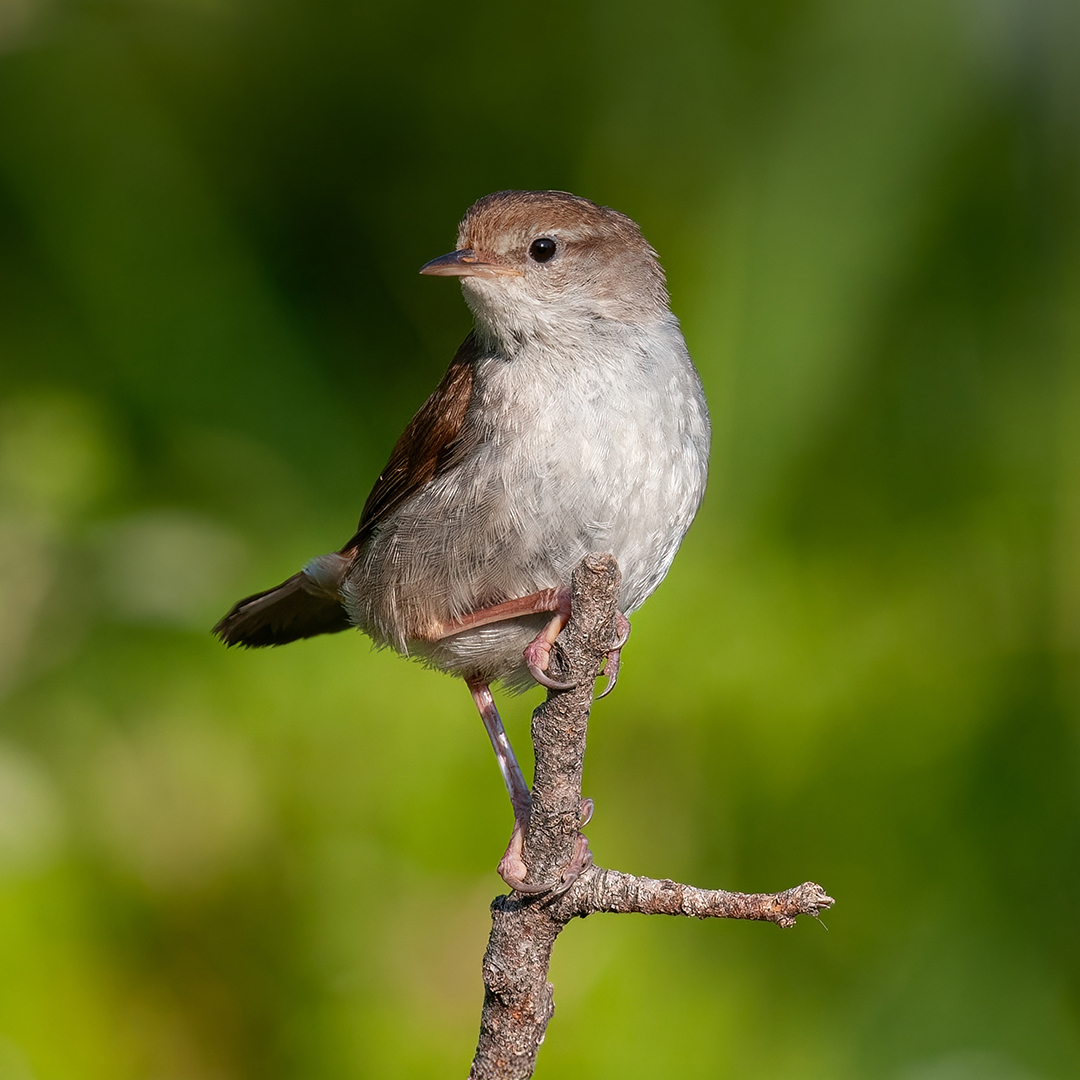
Early spring brings excellent opportunities for spotting wildlife, particularly around water. Migratory species haven’t yet departed, and resident populations are increasingly active as breeding season approaches. The bare vegetation makes spotting easier, and birds seem less cautious when human visitors are sparse.
You’ll find common species going about their business with photogenic determination, but patient observers might spot less common visitors: kingfishers darting between perches, herons standing sentinel, or various duck species that overwinter here before returning north.
Early morning offers the best activity, though late afternoon light creates beautiful conditions. Bring a flask and patience. What you observe depends partly on luck, but showing up consistently improves your odds dramatically.

Warming Up After Your Wander
Cosy Cafés and Tea Rooms
February walks deserve proper conclusions. The district’s independent cafés and tea rooms provide exactly the warmth and sustenance required after hours outside. Expect decent coffee, proper tea in pots, and cake that’s actually homemade. Many source ingredients locally, and the food tastes of place and season.
Local Pubs with Real Fires
Traditional pubs are February sanctuaries. Many maintain real fires that actually warm rather than just decorating. You’ll find ales brewed regionally, wines chosen thoughtfully, and menus that change with seasons.
Not every pub welcomes muddy walkers, so check if you’re coming straight off the path. But many actively encourage outdoor types, providing boot racks and dog bowls.
Discover what East Cambs has to offer in pubs
Seasonal Comfort Food
February demands hearty, warming food. Stews that have simmered for hours. Pies with proper pastry. Soups made with root vegetables. The district’s food establishments understand this instinctively.
Look for places using British ingredients rather than importing exotics. Seasonal eating means embracing what grows here now: cabbages, leeks, stored apples, preserved fruits. You’ll leave satisfied in a way that lighter, more fashionable meals never achieve.
Practical Tips for Early Spring Visits
What to Pack
February weather defies simple prediction. Preparation means layers and flexibility. Start with a good base layer, add insulating midlayers you can remove as temperature fluctuates, and top with a windproof, waterproof shell.
Footwear matters enormously. Paths are muddy, grass is wet. Proper walking boots with ankle support and waterproofing are worth every penny. A warm drink in a flask adds value on colder days.
Making the Most of Shorter Days
Daylight remains limited in February, though it’s increasing noticeably. Start walks mid-morning once things have warmed slightly. Finish with enough light to return safely. The quality of light in February can be extraordinary: low sun creates long shadows and golden tones.
Check sunset times before each outing. Darkness arrives suddenly this time of year, and a head torch weighs nothing and provides backup if you’ve miscalculated.
Planning Around School Holidays
February half-term brings a brief increase in visitors, though nothing like summer crowds. If you prefer maximum quietness, avoid this week. The district remains accessible throughout February regardless of holidays. Accommodation rarely books solid, and attractions handle visitor numbers easily.
Explore our accommodation options
Make the Most of February’s Magic
East Cambridgeshire in February offers something increasingly rare: genuine peace and space for exploration at your own pace. The landscape may lack summer’s obvious drama, but it compensates with subtlety and accessibility. You’ll find early spring pleasures, welcoming communities, and the satisfaction of discovering places before crowds arrive.
So wrap up warm, pack your curiosity, and come discover the district’s quieter season. The paths are empty, the villages are peaceful, and the first signs of spring are waiting for those willing to look. A great way to enjoy the changing seasons while avoiding the rush.